

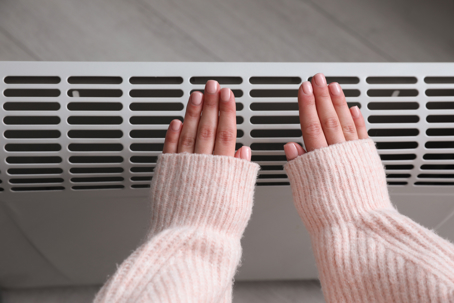
The first cold night in Lakewood usually hits without much warning, and that is when many heaters fail for the first time all year. You flip the thermostat to heat, expecting warm air in a few minutes, and instead you get a burning smell, strange noises, or nothing at all. In a climate where you rely on air conditioning far more than heat, it is easy to forget about the heater until you need it.
Those first cool evenings in Lakewood and across Southern California expose every weak spot in a heating system that has been sitting idle since last winter. Dust that settled on heating components burns off, filters that were strained all summer are now clogged, and parts that were barely hanging on finally give out. Preparing your heater for winter is less about surviving a deep freeze and more about avoiding surprise breakdowns, high electric or gas bills, and uncomfortable nights when temperatures dip.
At Beach Air, we have been working on heaters in Lakewood and the surrounding Southern California communities for over 25 years, and we see the same pattern every year when the first cold front rolls through. Our licensed and insured technicians handle sudden no-heat calls, burning odors, and systems that short cycle after months of sitting unused. In this guide, we are sharing what actually helps Lakewood homeowners prepare their heaters for winter, including safe DIY steps and the professional checks that add real value.
Why Lakewood Heaters Need Attention Before Winter
Lakewood winters are mild compared to many parts of the country, but that does not mean your heater gets a free pass. Nights can drop into the 40s, and even the low 50s feel chilly when your home has cooled down and you are trying to sleep. Because the days often warm back up, your heater tends to run in short bursts at night and early morning instead of staying on for long, steady stretches. That stop and start pattern can be hard on equipment that has not been maintained.
Most homes and small businesses in Lakewood lean heavily on their systems for cooling from late spring through early fall. The same blower, ducts, and air filter that handled months of cooling now have to move heated air. Dust, pet hair, and other debris that never got cleaned out during the summer sit in the system. When you switch to heat, that buildup restricts airflow and lands directly on furnace burners, heat exchangers, electric heating elements, and heat pump coils.
We hear from many people who say, “We barely use the heater, so it should be fine.” After decades of working on systems in Lakewood and across Southern California, we can say that light winter use does not mean light wear. The combination of long cooling seasons, months of idle time, and then sudden heating on the first cold nights is exactly what exposes weak parts, dirty components, and airflow problems. Many no-heat calls in early winter turn out to be issues that would likely have shown up during a simple pre-season check.
A typical forced-air furnace or heat pump has moving parts, electrical components, sensors, and safety controls that all need to work together. Dust on burners can contribute to poor combustion and delayed ignition. Restricted airflow from a dirty filter can cause the unit to overheat and shut off on a safety limit. Heat pumps that are low on refrigerant from a small leak all summer may struggle to deliver warm air in winter. A little attention before the season can catch these problems before they become late-night emergencies.
Step 1: Start With Safe DIY Checks Before You Turn Up the Heat
There are several useful, low-risk steps you can take yourself to prepare your heater for winter in Lakewood. The first and most important is to check your air filter. If you used your air conditioner heavily over the summer, there is a good chance the filter is already close to clogged. A dirty filter makes the blower work harder, reduces the amount of air that can move through the system, and forces the heater to run longer to warm the home.
Pull the filter out and hold it up to the light. If you can barely see through it, or if it is visibly coated with dust and debris, replace it. A clean filter reduces strain on the blower motor, helps keep internal components cleaner, and supports better airflow to every room. In practical terms, that means fewer hot and cold spots, less noise from rushing air, and a lower chance of the system overheating and shutting down on a safety limit during a cold night.
Next, walk through your home and look at every supply vent and return grille. Over the course of the year, furniture gets moved, rugs get shifted, and vents get blocked without anyone noticing. In Lakewood’s smaller single-story homes and townhomes, closing too many vents in unused rooms to “save energy” can actually raise pressure in the ductwork. That extra pressure can contribute to whistling noises, air leaks at joints, and short cycling as the system struggles to move enough air.
Make sure each vent and return is clear of furniture, curtains, and clutter by at least several inches. Vacuum or wipe surface dust from the grilles so it is not blown into the air when the heater starts. These simple steps help your system breathe and deliver heat evenly. They also give you a quick visual check on whether any vents look damaged or disconnected from the wall or floor, which can be a sign of duct problems that warrant a professional look.
Finally, pick a mild afternoon in the fall and give your heater a short test run. Set the thermostat to heating mode and raise the setpoint a few degrees to trigger a cycle. Stand near a vent and listen. You may notice a brief dusty smell the first time the heater warms up, because dust that settled on the heat exchanger or electric elements is burning off. That smell should fade relatively quickly. If it is strong, smoky, or does not go away, or if you hear banging, scraping, or grinding, it is time to schedule a visit from a licensed technician rather than waiting for the first cold night.
Step 2: Dial In Your Thermostat for Lakewood Winters
Once you have handled the basic airflow checks, the next step in preparing your heater for winter in Lakewood is to look closely at your thermostat. In many homes, the thermostat has been left in cooling mode with a summer schedule that no longer fits your needs. If the system has both heating and cooling, make sure you have switched to heat mode or to an automatic mode that can call for heat when the temperature drops.
Confirm that your thermostat’s fan setting is on “auto” instead of “on” unless you have a specific reason to run the fan continuously. Leaving the fan in the “on” position can circulate air constantly, which some people like for comfort, but it can also blow cooler air when the heater is not actively running and add to energy use. In Lakewood’s climate, many homeowners prefer to let the fan run only when there is a call for heat, especially during cooler months.
Temperature targets for winter in Lakewood do not have to mimic colder regions. Many of our customers are comfortable setting the thermostat somewhere in the upper 60s to low 70s when they are home and awake, and a few degrees lower when they are asleep or away. Programmable and smart thermostats can automatically adjust these setpoints throughout the day. Shorter heating periods and moderate temperature differences between inside and outside typically translate into lower wear and more manageable bills.
If you notice that the displayed temperature on your thermostat does not match how the room feels, or if the system cycles on and off very quickly, the thermostat may need attention. It could be out of calibration, located in a poor spot such as near a heat source or draft, or controlling equipment it was not designed for, such as a newer high-efficiency heat pump. In those cases, having a technician evaluate the thermostat and its wiring during a pre-winter tune-up can help prevent a season of frustration and uneven comfort.
Because we prioritize energy-efficient solutions, we often review thermostat settings with Lakewood homeowners during heater maintenance visits. Small tweaks to schedules and setpoints, matched to how you actually live in your home, can reduce run time and help the equipment last longer without sacrificing comfort. Done right, the thermostat becomes a quiet partner in your winter comfort, not a constant source of fiddling and second-guessing.
Step 3: Pay Attention to Smells, Noises, and Other Warning Signs
Preparing your heater for winter in Lakewood is not a one-time checklist. It also means paying attention to what your system is telling you when it runs. A brief dusty odor the first time you turn on the heater can be normal as settled dust burns off, especially if you skipped a spring or summer cleaning. That smell should fade within a short time as the system clears. If the odor is strong, metallic, or smoky, or if it continues every time the heater runs, it points toward a deeper problem.
Unusual noises are another important warning sign. A boom or pop at startup can indicate delayed ignition in a gas furnace, often linked to dirty burners or other combustion issues. Grinding, squealing, or rattling sounds from the blower compartment can mean worn bearings, a loose fan wheel, or a failing motor. In heat pumps, loud hissing or gurgling could be a sign of refrigerant problems. These sounds rarely resolve on their own. The longer they continue, the greater the risk of a sudden breakdown or more expensive damage.
Short cycling, where the heater starts up, runs briefly, and then shuts off only to start again soon after, is another common issue we see in Lakewood homes at the beginning of the season. It can be caused by restricted airflow from clogged filters or blocked vents, oversized equipment, faulty safety switches, or incorrect thermostat settings. Short cycling wastes energy, wears out parts more quickly, and often goes unnoticed until the system stops working altogether.
You might also notice airflow that seems weaker than you remember, or rooms that stay cool no matter how high you set the thermostat. In some homes, this traces back to duct leaks in the attic or crawlspace, or to previous attempts to close off certain rooms that unbalanced the system. In others, it is a sign that the blower is struggling or that the system is operating outside its design conditions. Bills that climb faster than expected for the amount of heating you are doing can be another clue.
Every fall and winter, our licensed and insured technicians at Beach Air respond to calls from Lakewood residents who noticed these signs but hoped they were minor quirks. Often, a problem that started as a dirty burner, worn belt, or minor electrical issue grew into a no-heat situation on a cold night. If your heater is giving you early warnings, it is smart to schedule a service visit while the weather is still relatively mild, especially since we answer calls 24/7 and offer same-day appointments when you need faster help.
What a Professional Heater Tune-Up Includes in Lakewood Homes
A professional tune-up before winter is one of the most effective ways to prepare your heater in Lakewood, especially if it has been more than a year since the last maintenance visit. During a tune-up, our technicians go far beyond the basic checks a homeowner can safely perform. The goal is to catch small issues, clean critical components, and verify that the system is operating within safe and efficient ranges.
On a gas furnace, that typically means inspecting and cleaning the burners, checking the ignition system, and verifying that the flame pattern looks appropriate. We check safety controls such as limit switches and pressure switches to see that they respond properly. Electrical connections are tightened, and components like the inducer motor and blower motor are inspected for signs of wear. We measure the temperature of the air entering and leaving the furnace, called temperature rise, to confirm that it falls within the manufacturer’s recommended range.
For heat pumps, a tune-up often includes checking refrigerant pressures, inspecting the outdoor coil and fan, confirming that the reversing valve is operating correctly, and verifying that the system switches smoothly between modes. We also look at electrical components like contactors and capacitors, which can weaken over time. In both furnaces and heat pumps, we evaluate the blower assembly, clean as needed, and assess whether the motor is drawing the right amount of current. Any readings that fall outside normal ranges can point to developing problems.
Airflow and duct performance are also part of a thorough pre-winter check. Our technicians look for signs of duct leaks, disconnected sections, or crushed flex duct that could be restricting flow to certain rooms. If we see closed or blocked vents that are stressing the system, we point that out and suggest adjustments. In some homes, we may recommend additional duct sealing or repairs as a separate project once we have a clear picture of the overall system.
Because Beach Air is fully licensed and insured and has been serving Lakewood and the surrounding area for over 25 years, we approach tune-ups with a focus on long-term reliability, not just getting through one season. We explain what we are doing and why, share any findings we uncover, and make recommendations without pushy sales tactics. For homeowners who are considering efficiency upgrades, our status as an Authorized LG Pro Dealer means we are trained on current LG heating and cooling technology and can discuss options backed by strong manufacturer support.
When a Tune-Up Is Not Enough: Planning Ahead for Repairs or Replacement
Not every heater in Lakewood will be ready for another winter after a basic tune-up. As systems age, parts wear out, efficiency drops, and repairs become more frequent. Many furnaces and heat pumps start to show more issues after 10 to 15 years of service, especially if they have not been maintained consistently. If your heater is older and you are calling for repairs often, it may be time to think beyond short-term fixes.
A pre-winter inspection is often when more serious problems come to light. On a gas furnace, that could be a cracked heat exchanger, which is a safety concern and typically calls for replacement rather than repair. On a heat pump, it might be a compressor that is drawing high current, indicating it is under strain and may fail. Worn blower motors, corroded heat exchangers, and outdated controls can all show up during testing, even if the system is still technically running when we arrive.
When we find issues like these during a tune-up, we walk homeowners through what we are seeing and what the realistic options are. Sometimes, a targeted repair can extend the life of the system for several more years. Other times, the cost and risk of ongoing repairs on an older, inefficient unit make a replacement worth considering. In Lakewood’s climate, a modern high-efficiency furnace or heat pump can offer quieter operation, better comfort, and lower operating costs compared to equipment that was installed many years ago.
Budget is always part of the conversation. That is why Beach Air offers free estimates on larger repairs and replacements, along with flexible financing options to make upgrades more manageable. Our focus as a family-owned company is on long-term relationships, so we take the time to explain the pros and cons of repair versus replacement in your specific situation instead of pushing a quick sale. Planning ahead before the coldest nights of the season gives you more time to decide what makes sense for your home.
How Beach Air Makes Winter Heater Prep Simple for Lakewood Residents
Preparing your heater for a Lakewood winter does not have to be complicated. A combination of simple DIY steps, such as checking filters, clearing vents, and testing the system early, plus a professional tune-up, can significantly reduce the chances of a stressful no-heat situation. It also helps your system run more efficiently, so you are not paying more than you need to on those nights when the heater does come on.
At Beach Air, we use the same approach we would use in our own homes. We show up on time, explain what we are doing, and focus on what will genuinely improve comfort and reliability for the coming season. Our 24/7 availability and same-day appointments mean you do not have to wait long if your heater shows warning signs or stops working as the weather cools. With our strong local reputation in Lakewood and throughout Southern California, and access to advanced LG heating and cooling technology as an Authorized LG Pro Dealer, we can support everything from basic maintenance to full system upgrades.